
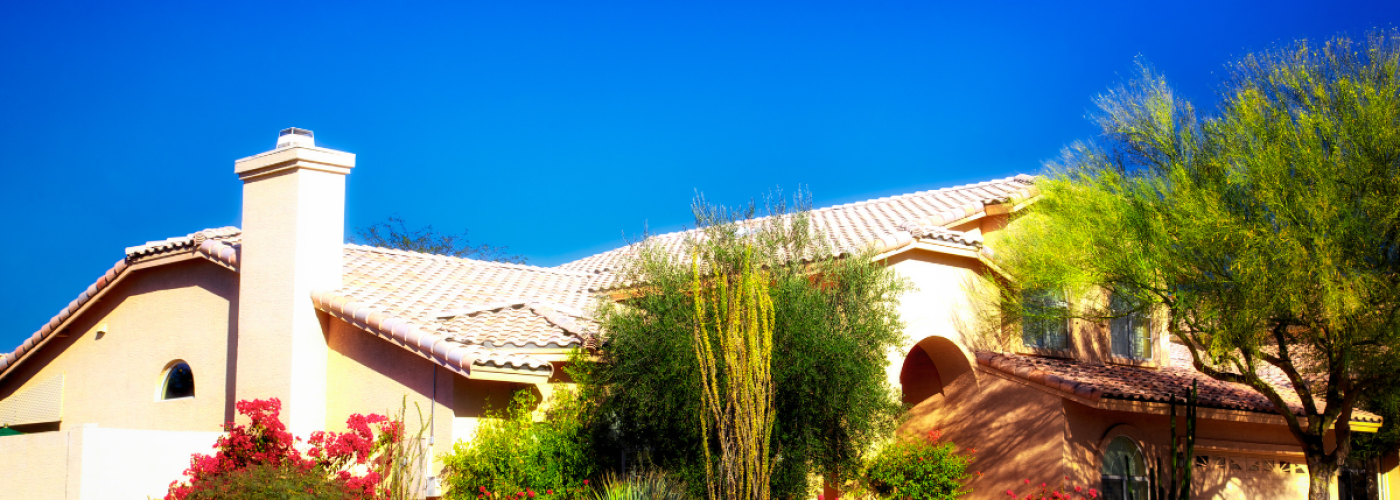
When it is 115 degrees in July, your roof surface can climb well past 160. That kind of heat is not a one-day event in the Valley. It happens for months, year after year, and it slowly works on every shingle, tile, and seal up there. Most Phoenix homeowners do not think about roof repair until water shows up on a ceiling. By then, the sun has usually been doing damage for a long time.
Here is what the Arizona heat actually does to a roof, and what you can do about it before it turns into a bigger bill.
Heat and UV Break Down Roofing Materials
Sunlight in Phoenix is intense, and UV rays break down roofing materials at the surface level. Asphalt shingles lose their protective granules and start to curl or crack. Foam roofs lose their coating and begin to erode. Even concrete and clay tile, which hold up well in the desert, depend on an underlayment beneath them. That underlayment dries out and becomes brittle over time.
The problem is that much of this wear is hard to see from the ground. A roof can look fine from the driveway while the layer that keeps water out is failing underneath.
Expansion and Contraction Loosen Everything
Phoenix days are hot and desert nights cool off quickly. That daily swing makes roofing materials expand and contract over and over. Nails can back out, flashing can pull away from walls and chimneys, and sealant around vents and pipes can crack. Each small gap is a spot where monsoon rain can find its way in later in the year.
This is one of the most common reasons we see leaks around skylights, plumbing vents, and AC units. The roof itself may be in decent shape, but the seals around everything that pokes through it have given up.
Attic Heat Puts Extra Stress on the Roof
A hot roof means a hot attic. If your attic is not vented properly, heat builds up and bakes the roof deck from below while the sun works on it from above. That shortens the life of your roofing materials and pushes your cooling costs higher. Good ventilation is part of a healthy roof in Arizona, not an extra.
Signs Your Phoenix Roof Is Struggling With the Heat
You do not need to climb a ladder to spot trouble. Watch for these warning signs:
Shingle granules collecting in gutters or at the bottom of downspouts
Curling, cracked, or missing shingles
Cracked, slipped, or broken roof tiles
Foam roof surfaces that look chalky, pitted, or worn through
Ceiling stains or a musty smell in the attic
Cooling bills that keep climbing for no clear reason
If you notice any of these, a professional inspection is the next step. Small problems caught early cost far less than a full tear-off later.
How to Protect Your Roof From the Desert Sun
The best thing you can do is have your roof inspected on a regular schedule, ideally before monsoon season starts. A trained roofer can spot dried-out underlayment, loose flashing, and failing seals long before they leak. Other steps that help:
Keep gutters and roof valleys clear of debris
Have foam roofs recoated on schedule
Replace cracked or slipped tiles right away
Make sure your attic has proper ventilation
Trim back trees that drop debris or scrape the roof
At Phoenix Roofing Contractors, we have been handling roof repair in Phoenix since 2010. We know how the Arizona climate wears down every type of roof, and we know what to look for. Our team offers free inspections, and non-emergency estimates are typically provided within 72 hours. If your home needs work, our residential roofing services cover everything from small leak repairs to full replacements, and we offer financing to help keep the project manageable.
Get Ahead of the Damage
The Phoenix sun is not going anywhere, but you can stay a step ahead of it. If your roof is more than a few years old or you have spotted any of the warning signs above, give us a call at 602-883-2973 to schedule a free inspection. We will tell you exactly what is going on up there and what, if anything, needs to be done.