
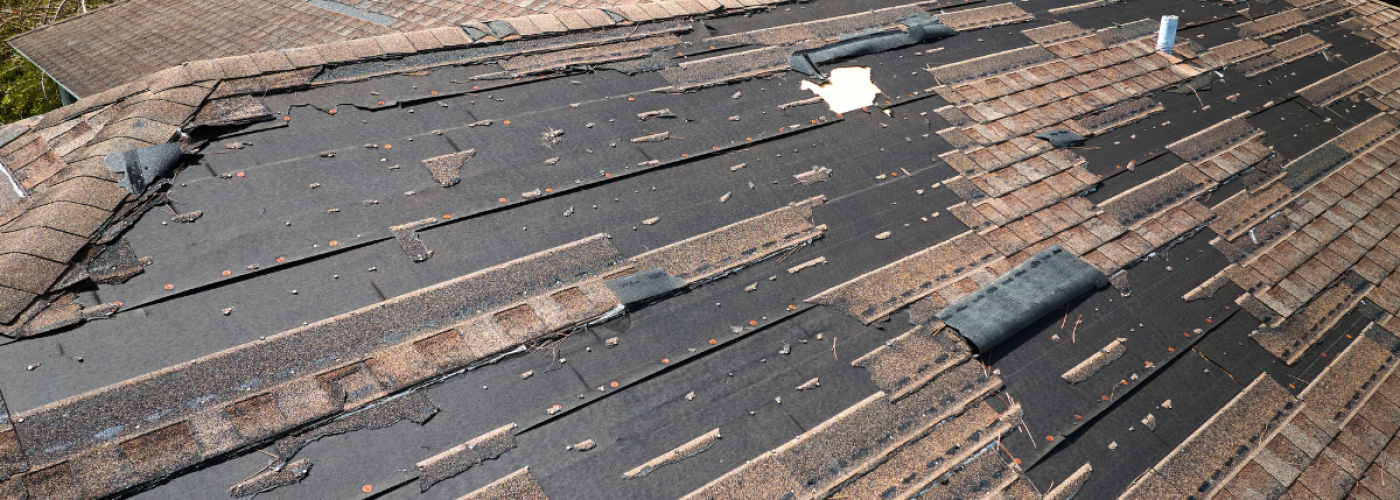
One minute the sky is clear. The next, a wall of dust is rolling across the Valley, the wind is bending palm trees sideways, and rain is coming down harder than the gutters can handle. Every Phoenix homeowner knows the feeling. What many do not realize is how much monsoon roof damage these storms leave behind, often in places you will not notice until the next storm hits.
Monsoon season runs from mid June through the end of September. Here is what those storms do to your roof and what to check once the weather clears.
Why Monsoons Hit Phoenix Roofs So Hard
By the time monsoon season arrives, your roof has already spent months under extreme heat. As we covered in our post on what Arizona heat does to your roof, sun and temperature swings dry out underlayment, crack sealant, and loosen flashing. Then a monsoon shows up with high winds, heavy rain, and sometimes hail, and it finds every weak spot at once.
In other words, the heat sets the stage and the storm does the damage.
Wind Damage
Monsoon gusts can top 60 miles per hour. That is enough to lift shingles, crack or shift roof tiles, and peel back the edges of flat roofing. Wind also throws debris like branches, patio furniture, and loose items from neighboring yards onto your roof. A shingle that has been lifted and set back down may look normal from the ground, but its seal is broken and it will leak during the next downpour.
Water Damage
Monsoon rain falls fast. On flat and low-slope roofs common across Phoenix, water can pool if drains or scuppers are clogged with dust and debris. Standing water finds seams and soft spots quickly. On pitched roofs, wind-driven rain can be pushed sideways under tiles and shingles, getting past areas that handle normal rain just fine.
Hail Damage
Hail is not an every-storm event in the Valley, but when it hits, it can bruise shingles, crack tiles, and puncture foam roofs. Hail damage is easy to miss because it often does not cause a leak right away. It weakens the surface, and the leak shows up months later.
What to Check After a Monsoon
Once the storm passes and it is safe to go outside, take a walk around your home and look for:
Shingles or tiles lying in the yard or driveway
Tiles that look shifted, cracked, or out of line
Granules or debris piled at the bottom of downspouts
Water stains on ceilings or around light fixtures
Standing water on flat roof sections a day after the storm
Bent or detached gutters and flashing
Please leave the climbing to the professionals. Wet roofs are slippery and storm-damaged roofs can be unstable.
Act Fast, Especially if You Plan to File a Claim
Storm damage gets worse with every rain that follows. A small leak can soak insulation, damage drywall, and lead to mold in a matter of weeks. If you think your roof took a hit, have it inspected as soon as possible. Many homeowners insurance policies cover sudden storm damage, and having a professional document the damage early makes the claim process much smoother.
Phoenix Roofing Contractors offers 24/7 emergency roof repair all year round, which matters most during monsoon season. Our team has worked with hundreds of insurance companies on roof damage claims, and we can help you through the process from inspection to final repair. Learn more about our Phoenix roofing services and how we help homeowners recover after a storm.
Get Your Roof Checked Before the Next Storm
If a monsoon has rolled through your neighborhood, do not wait for a ceiling stain to tell you something is wrong. Call Phoenix Roofing Contractors at 602-883-2973 for a free inspection. We will check your roof from top to bottom and give you a straight answer on what needs fixing.